

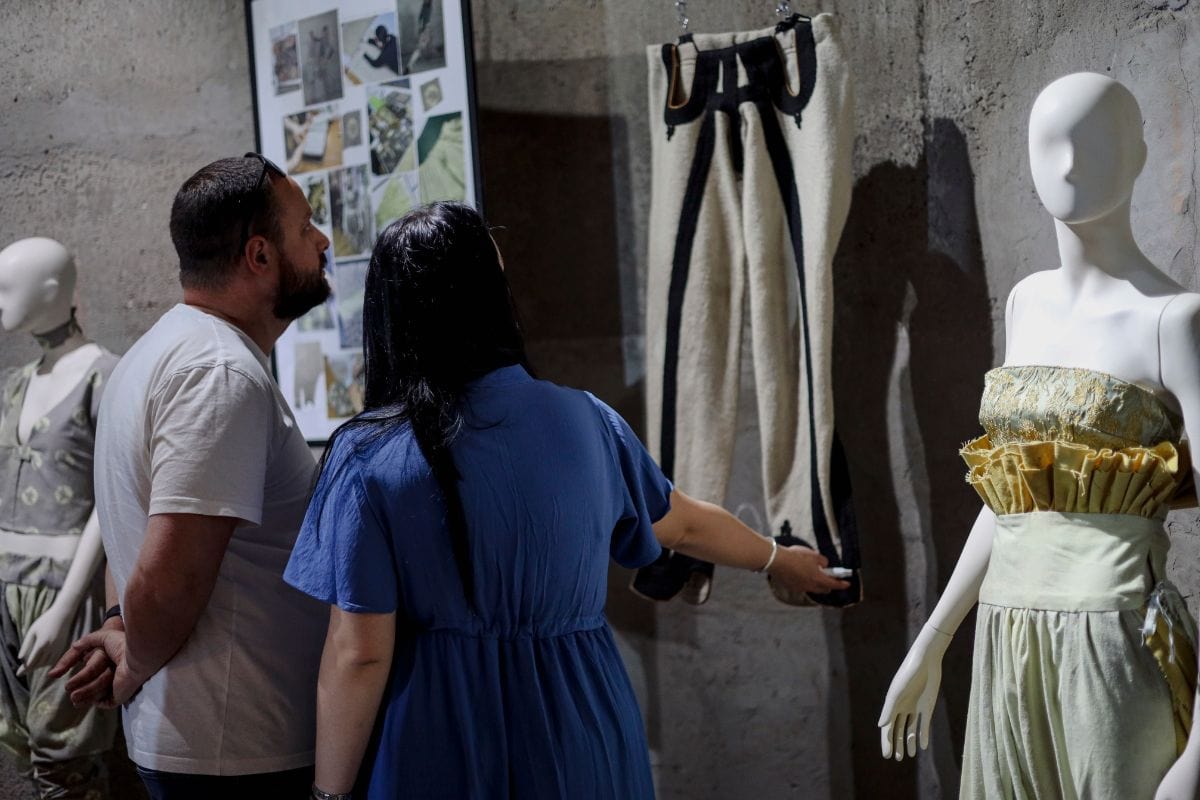
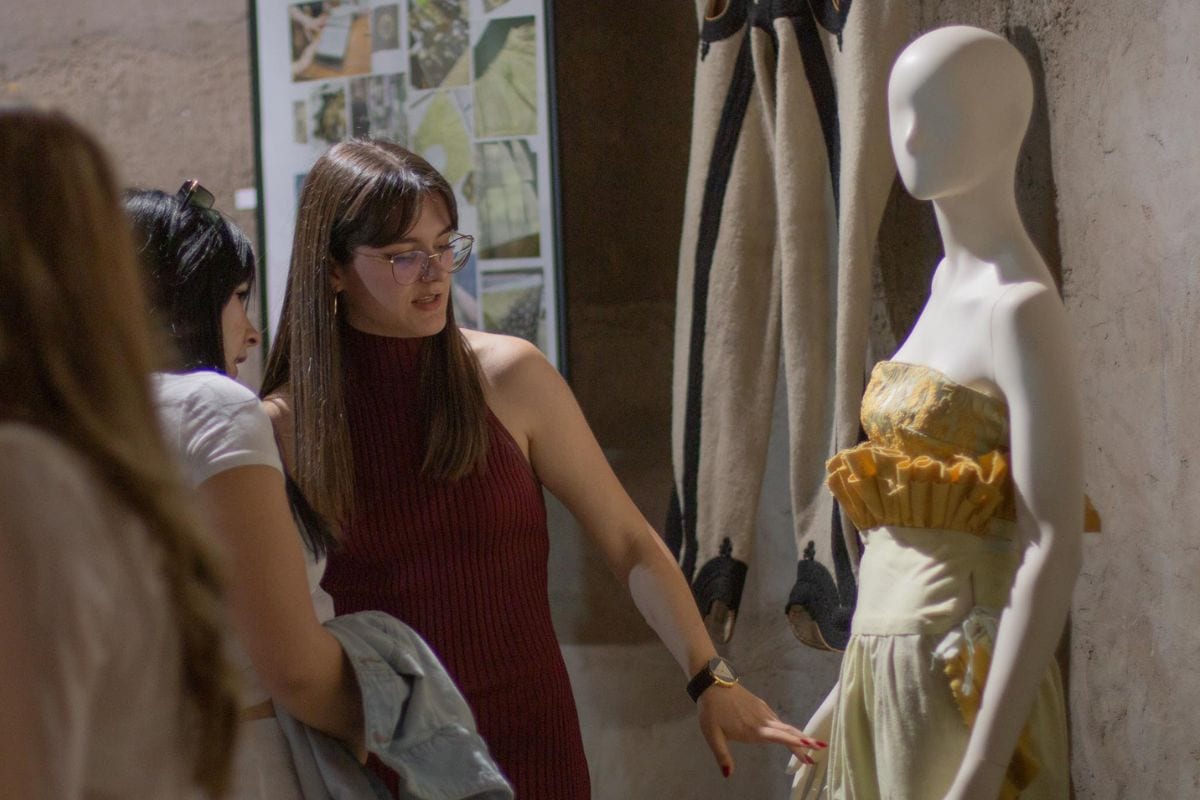
On May 20th at Cultural center Silosi, Belgrade, we opened an exhibition of a project created in collaboration with students from the College of Textile Design, Technology and Management, Belgrade, as part of Cirkulator – Sustainable Fashion Program – Belgrade Fashion Week.
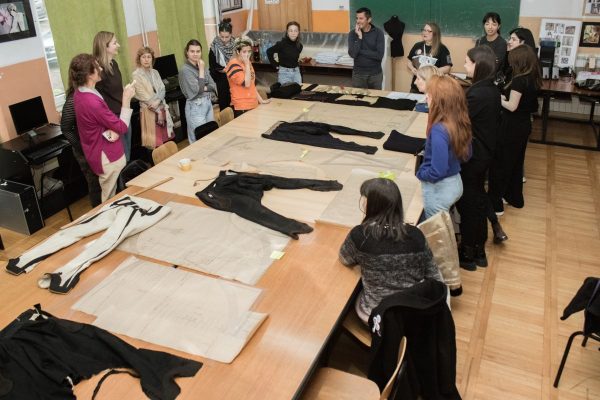
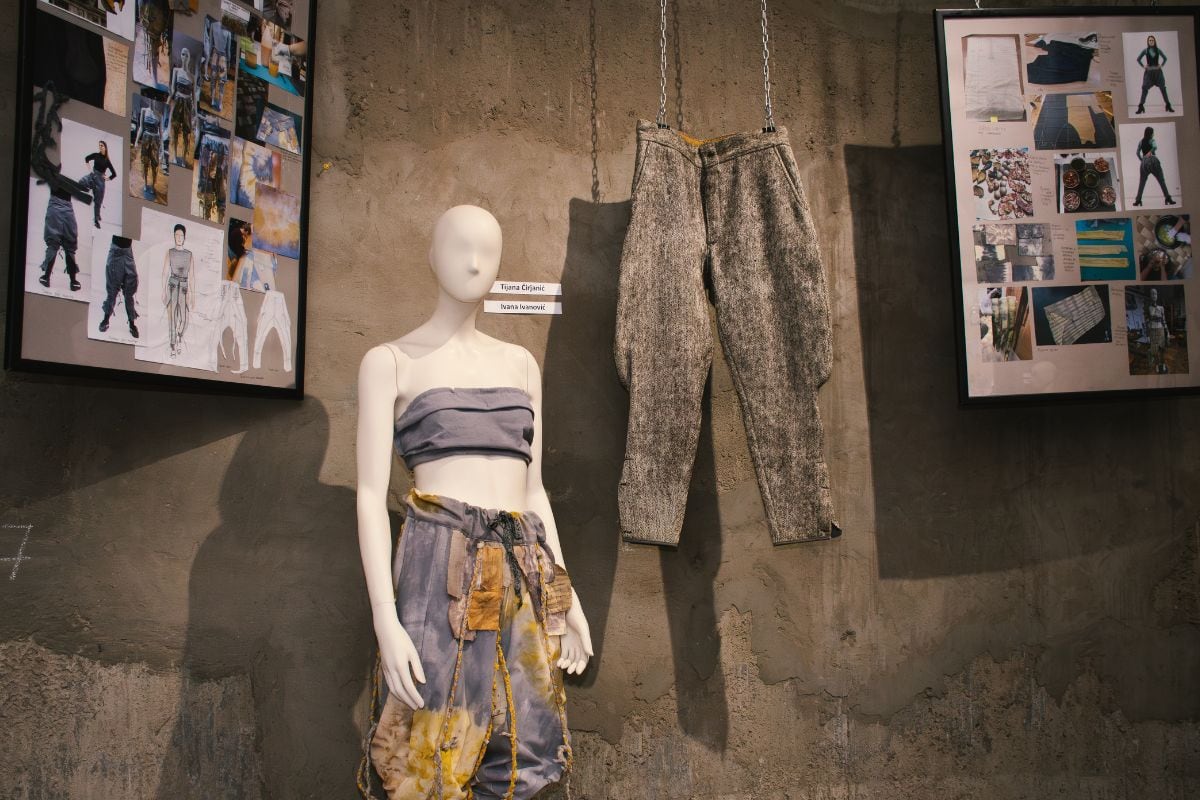
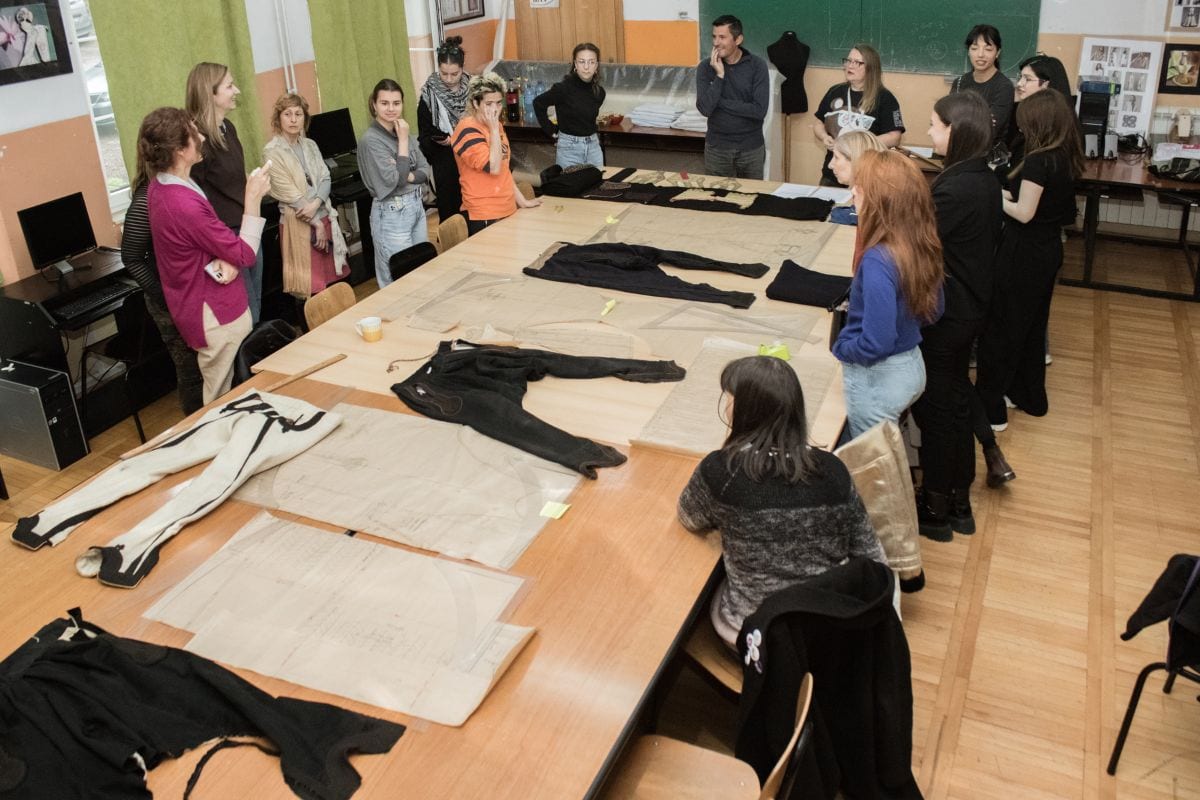
This project combines traditional and ethical elements with technical and creative aspects. The workshops provided students with the chance to learn about the design of authentic Balkan trousers, called Čakšire, take inspiration from them, and design their own modern version while adhering to ethical values like ZERO WASTE CUT and NATURAL DYES.
The aim of the project was to merge historical traditions with an ethical mindset for the future.
Zero Waste pattern was led by Natalie Solo-Matine (Switzerland), fashion designer, professor and researcher in sustainable approaches in Fashion design;
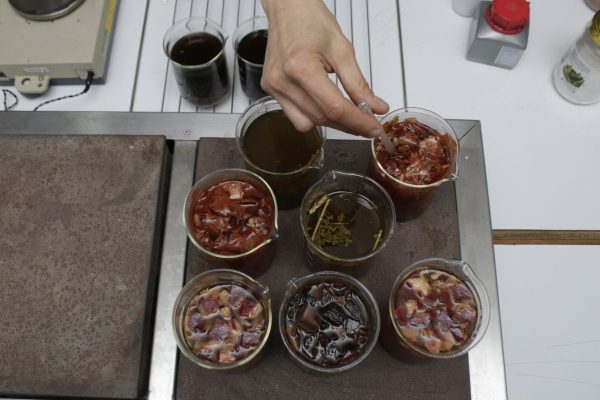
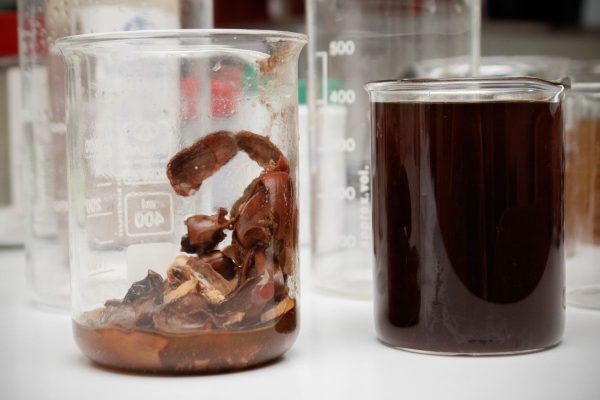
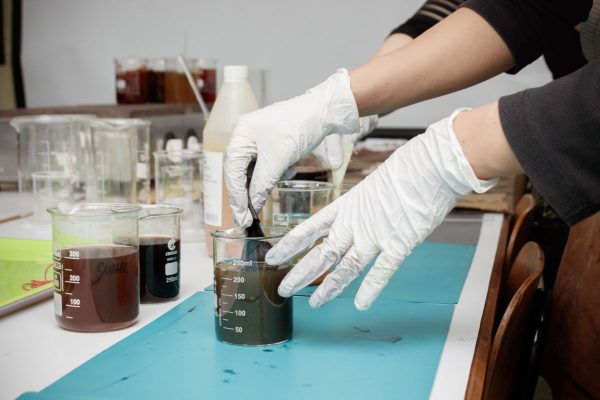
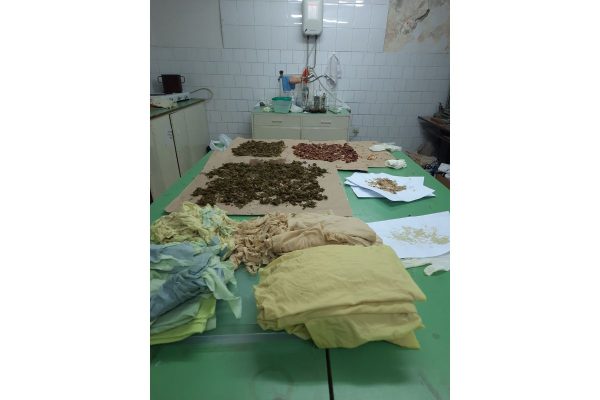
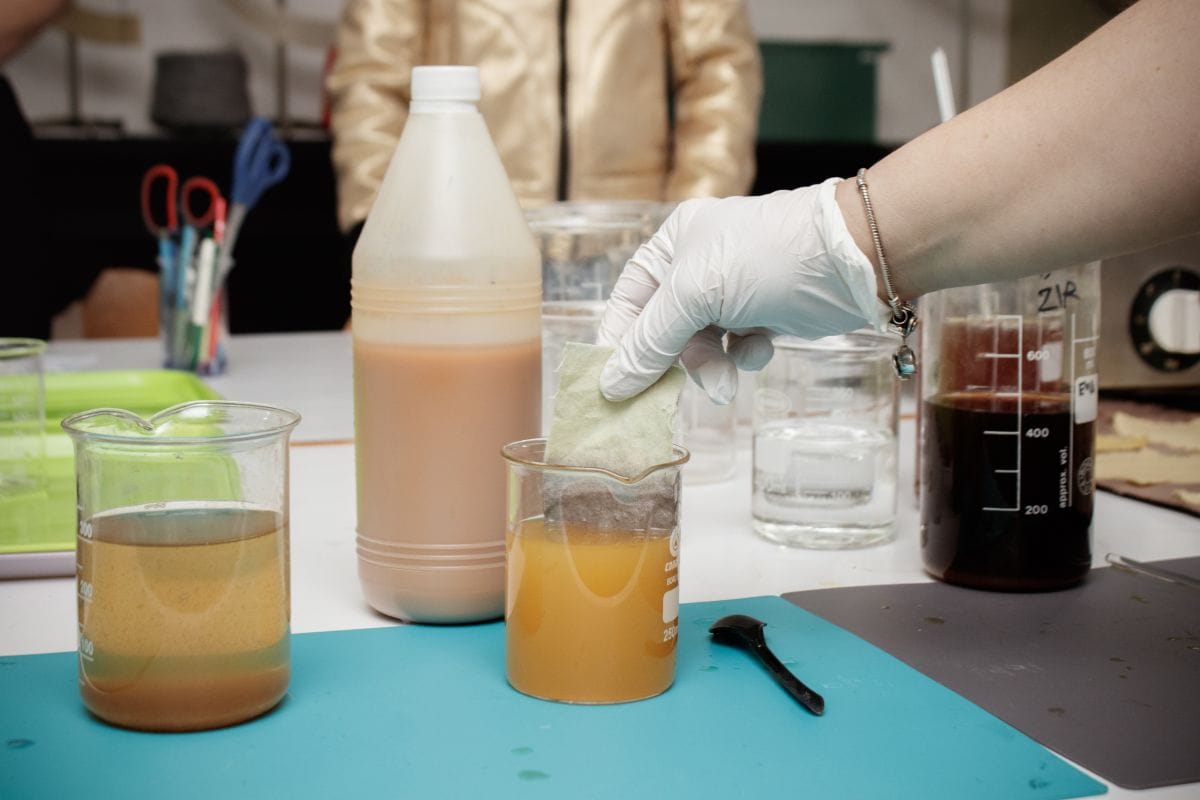
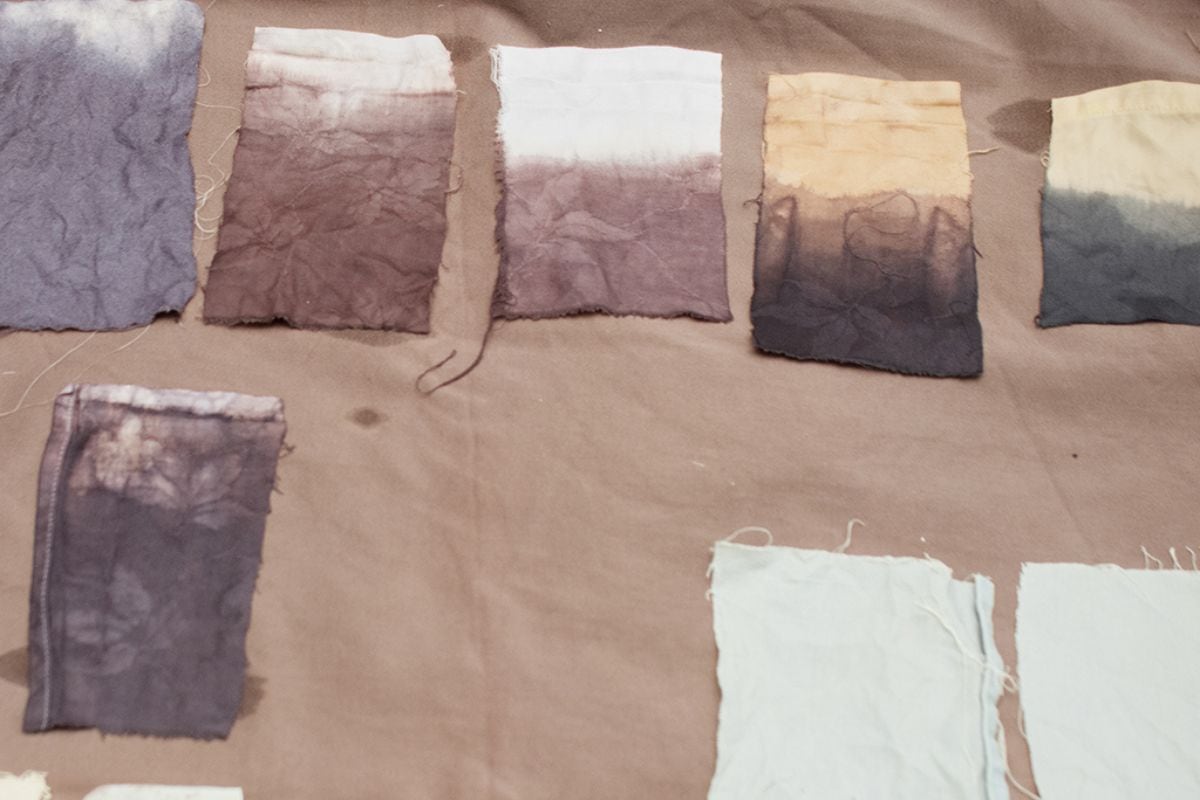
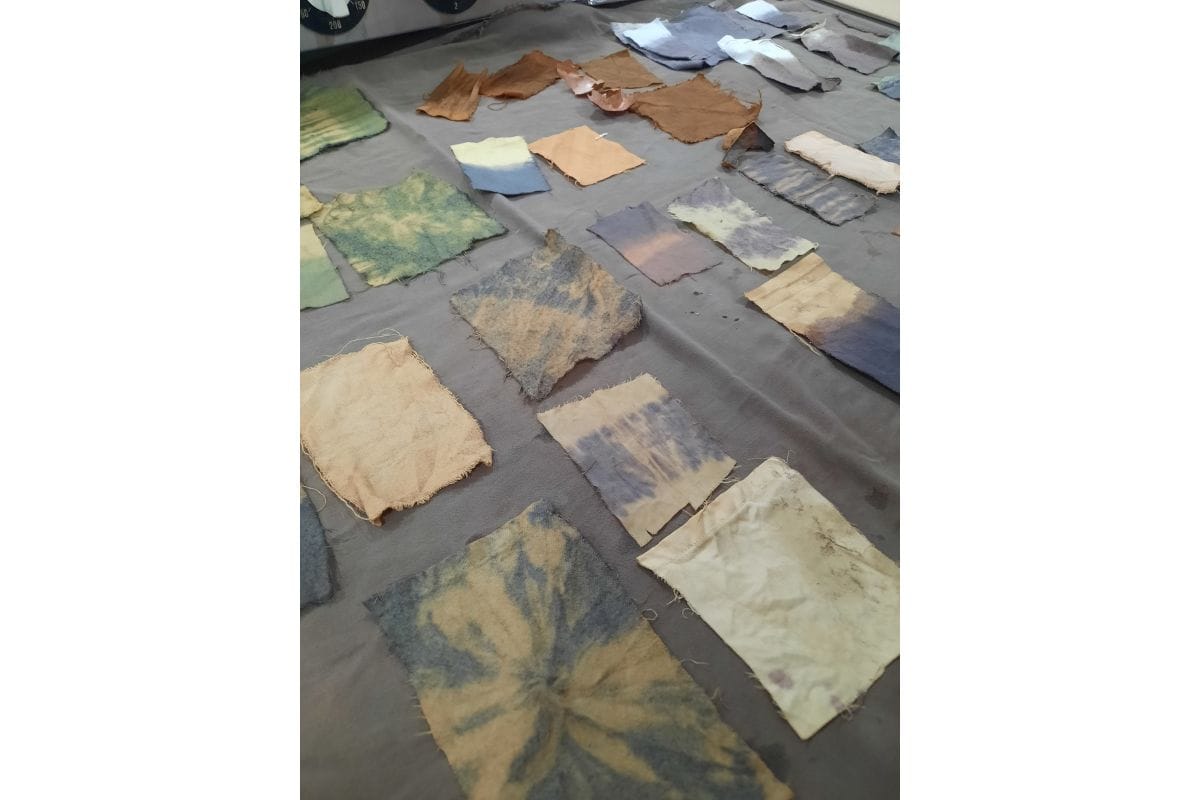
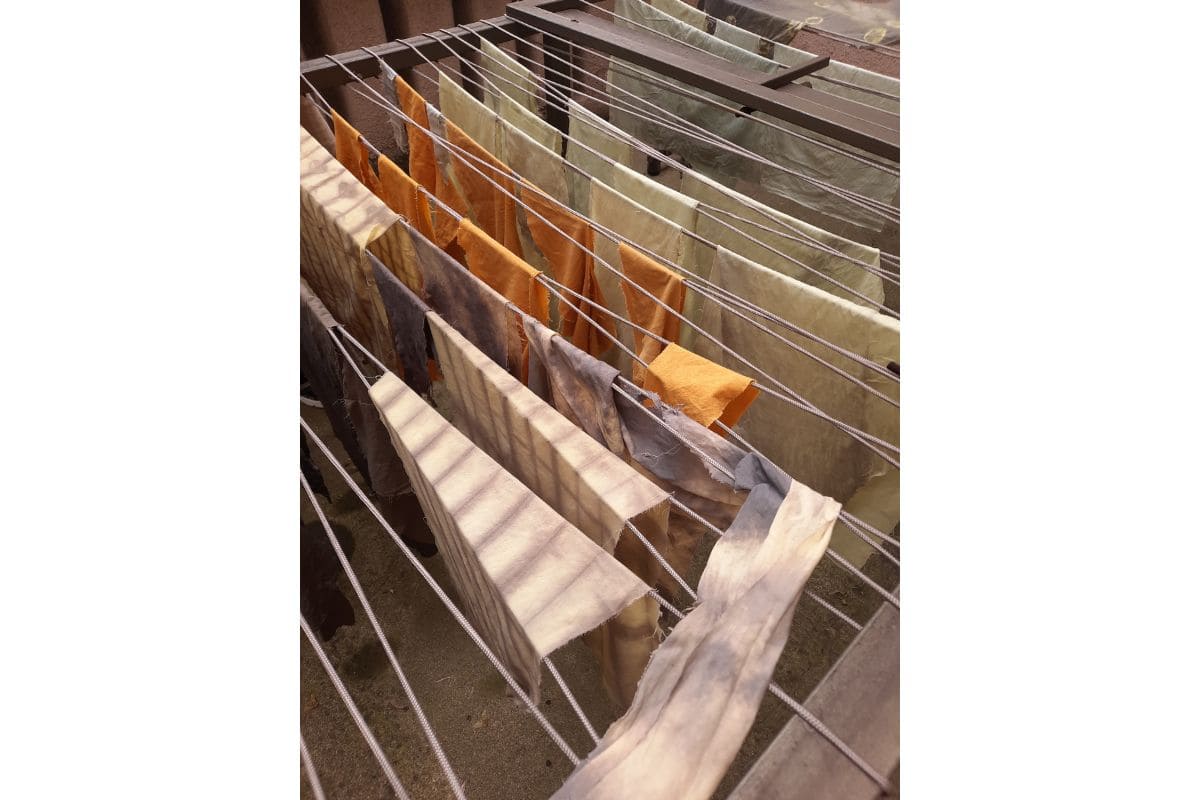
Plant based natural dyes – led by me, exploration of local dye plants and gathered sources from the food industry;
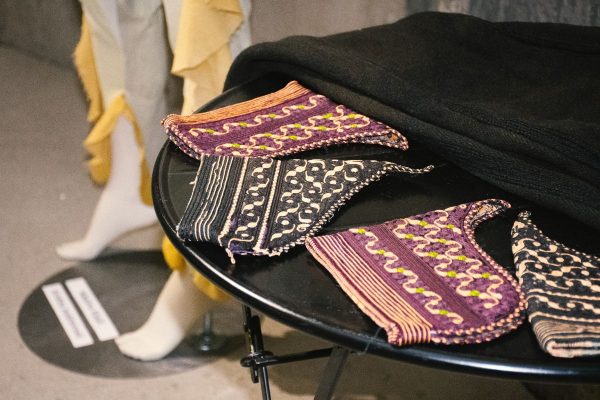
Cultural heritage as inspiration from the private collection of Željko Utvar.
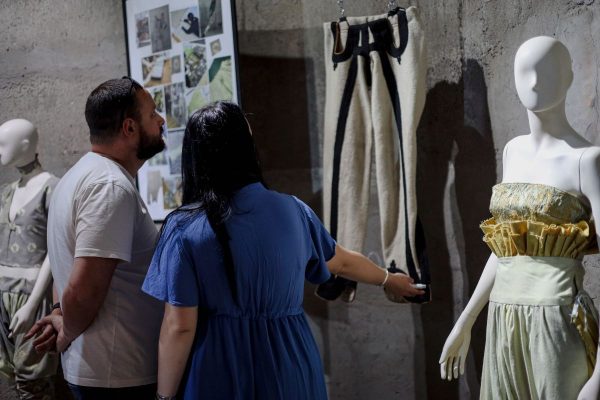
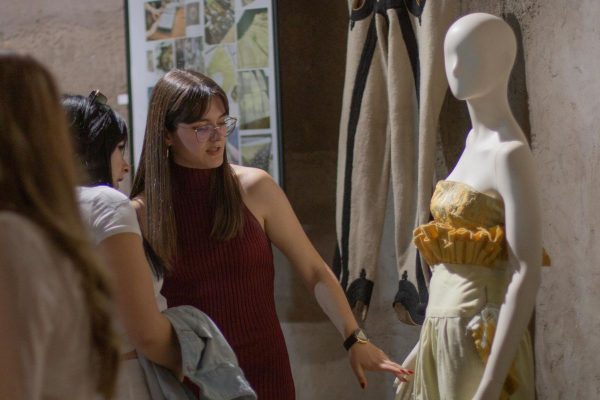
At the end of the workshops, students created unique, forward-looking interpretations of the traditional Balkan trousers – čakšire.
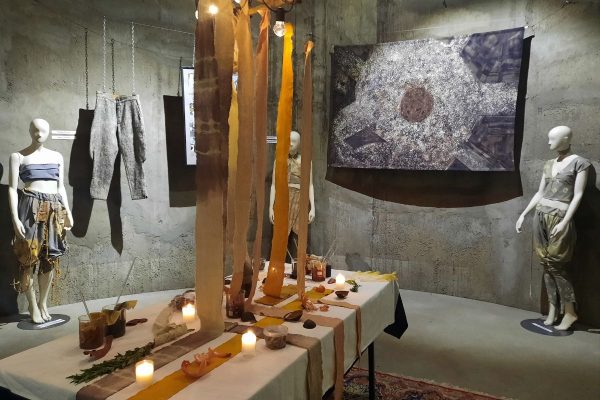
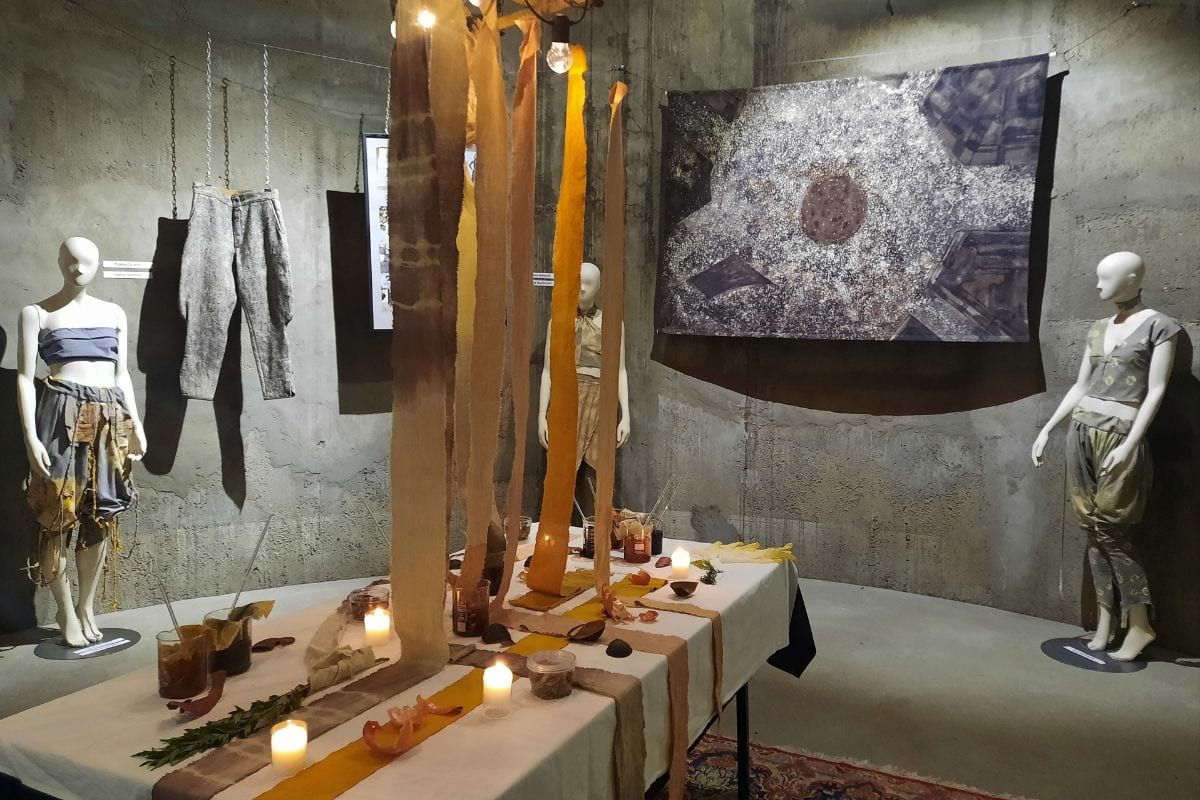
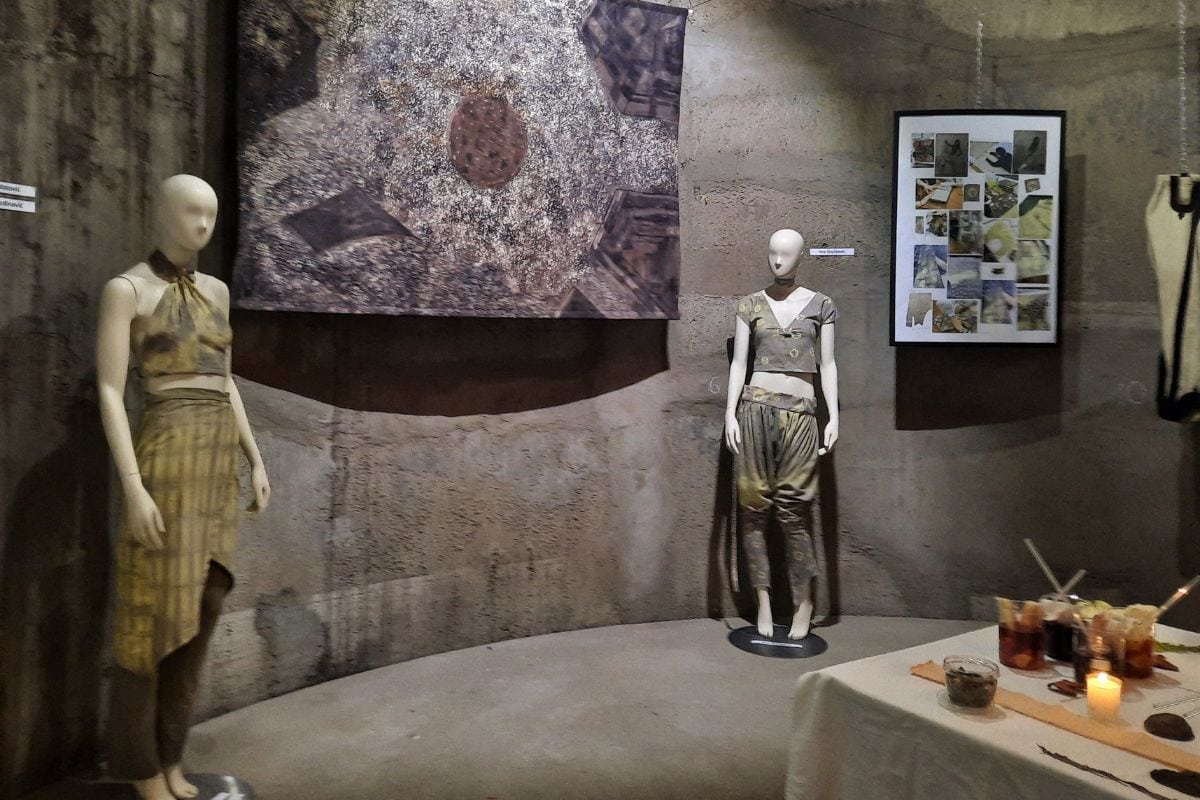
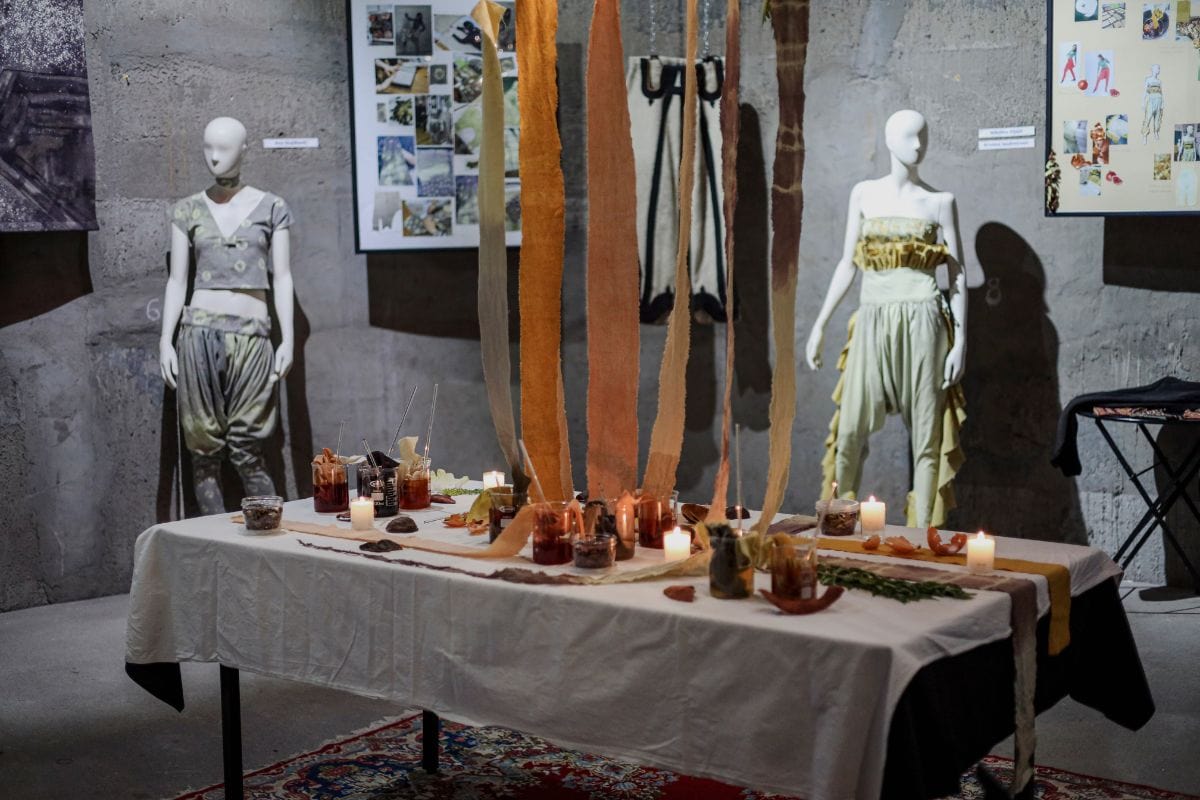
The final presentation was multilayered, showcasing the final creations of the students, their design processes, the original čakšire and authentical decorative elements from the private collection.
The project was supported by Ana Krkobabić – textile technology engineer and Sonja Jocić – fashion designer, one of the pioneers of zero-waste tailoring and sustainable fashion, professors at the College of Textile Design, Technology and Management.



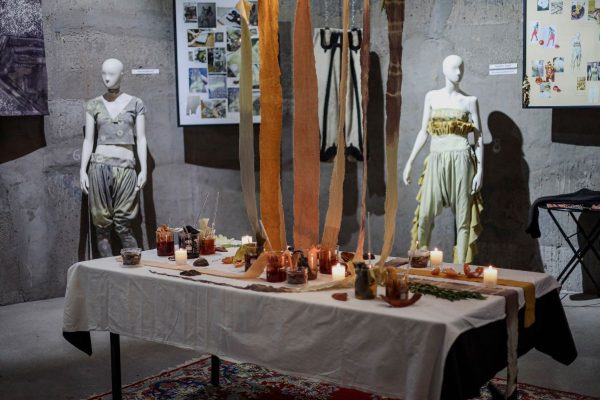
Photos by Tanja Stanković
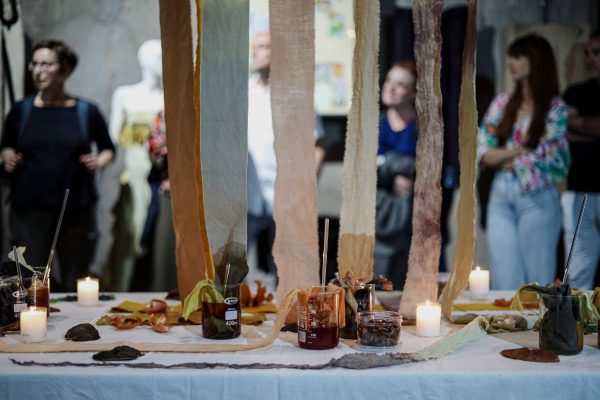
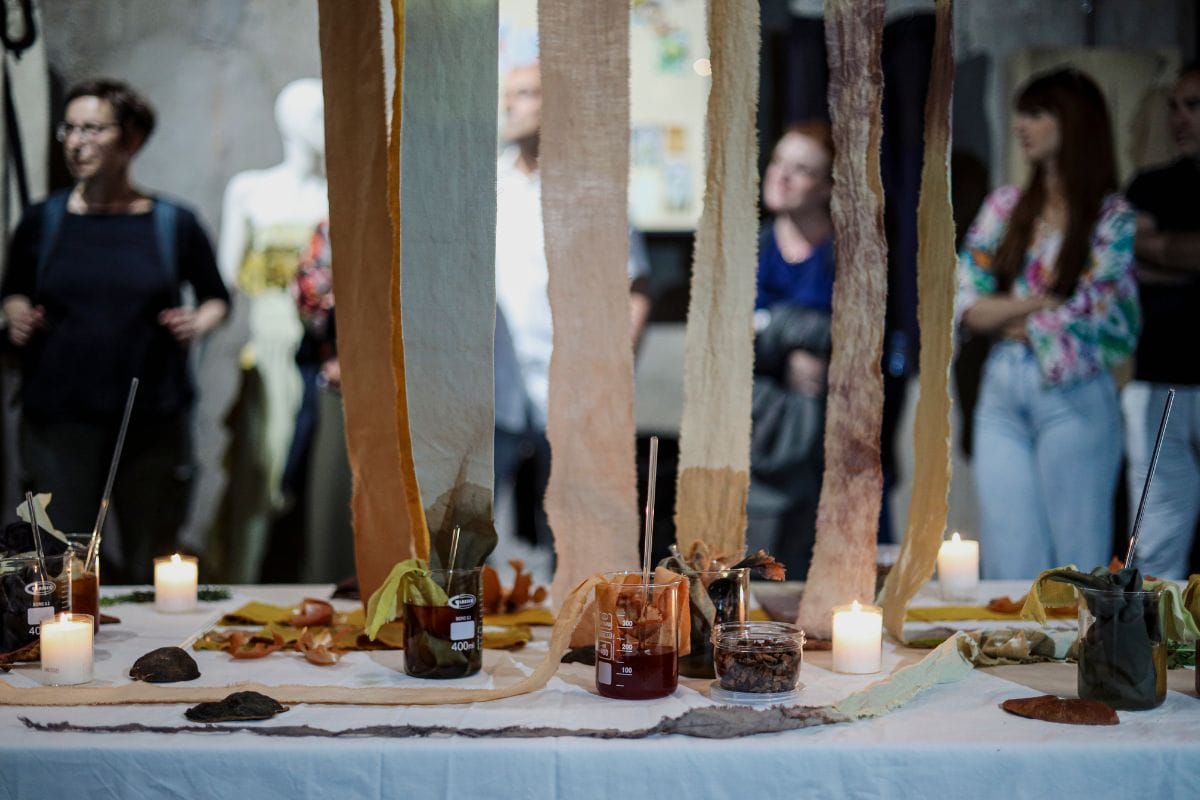
The color palette and collaboration with the students inspired me to create a central installation featuring dyes and plant materials used during the workshop.
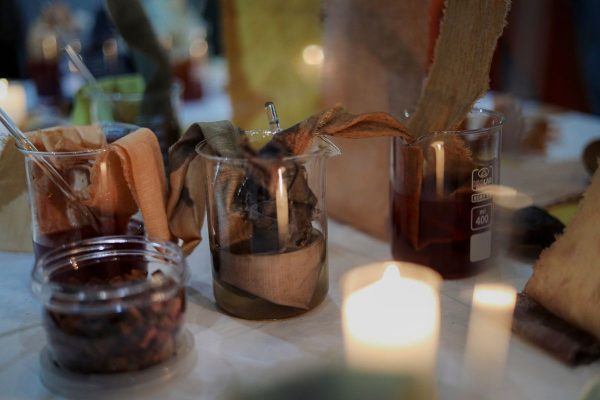
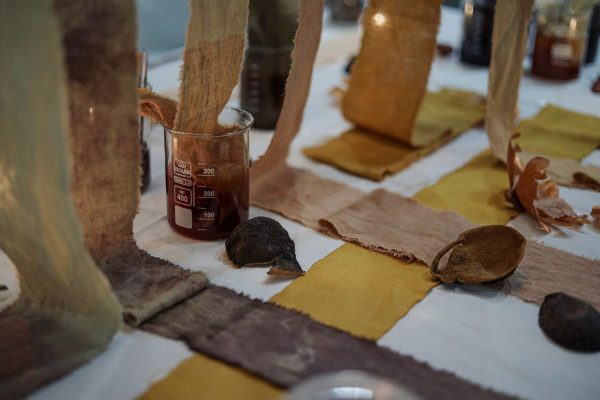

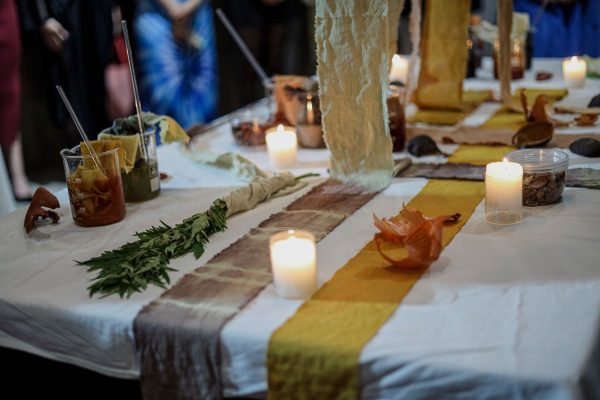
Photos by Tanja Stanković
“Slavija” is created with exactly the same plant dyes the students used in their čakšire design.
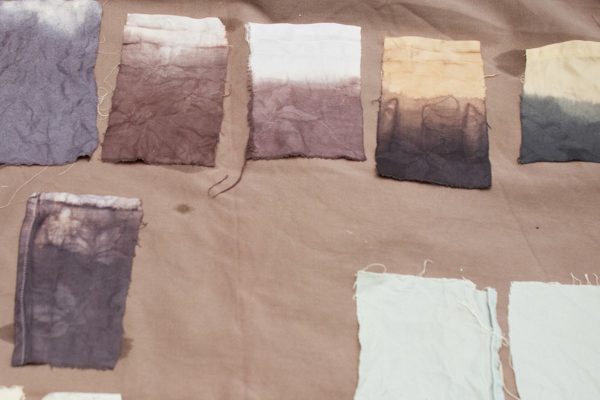
The light and dark areas are created with pH modifications and metal salts.
It represents an aerial sight of square Slavija in Belgrade, bathed in light from flashes during 15 minutes of silence, one of the most massive protests in Serbia.

Photo by Maša Ikodinović
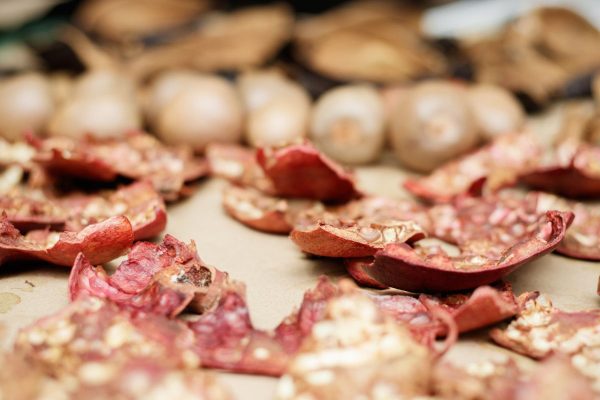
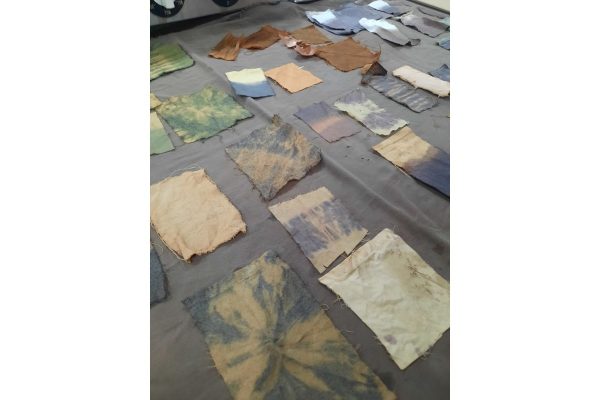
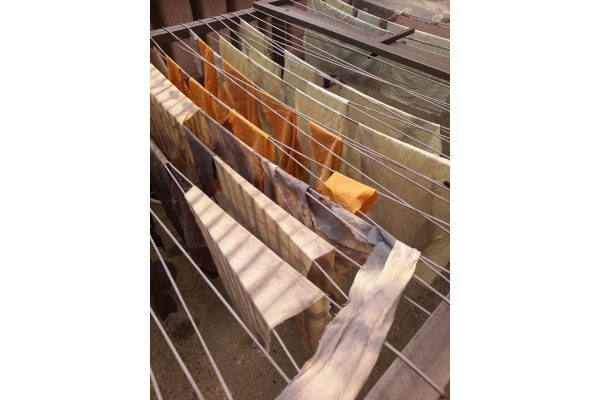
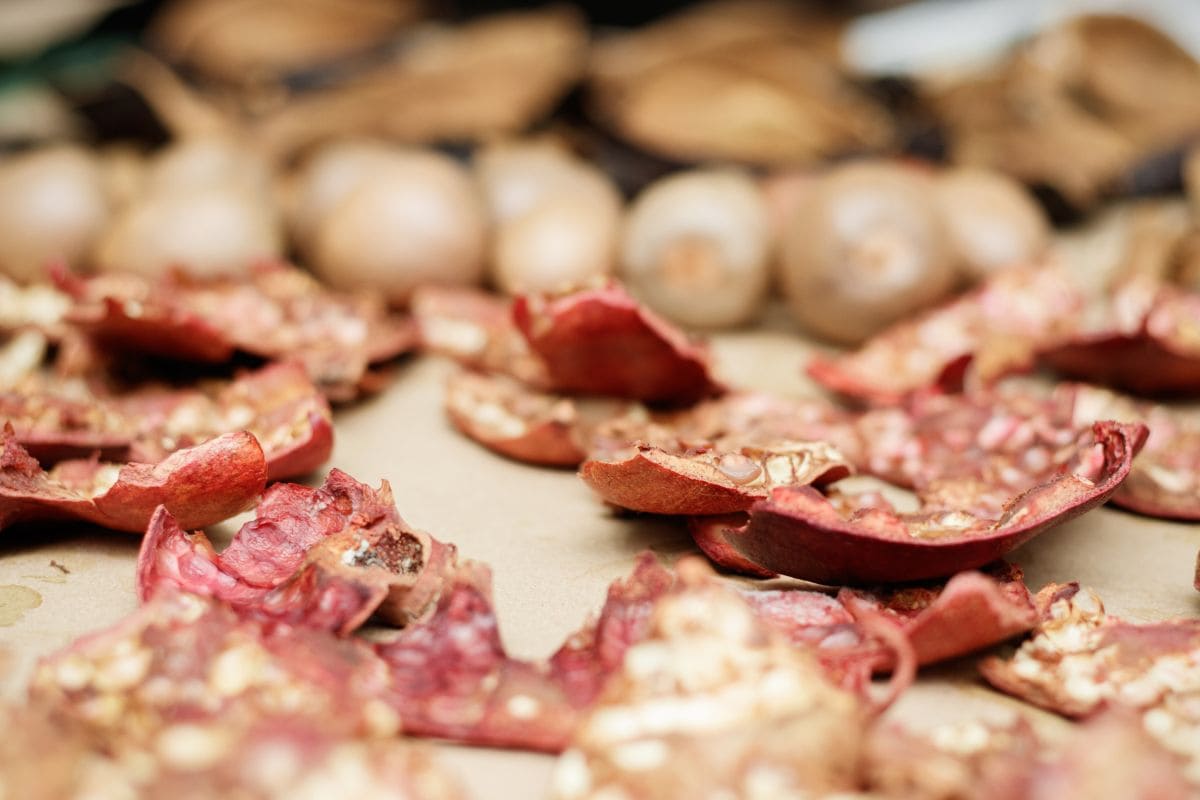
Lastly, here are some photos of various phases of the creation process where students got to explore how certain plant materials such as pomegranate peel, onion skins, avocado pits, sumac, and acorns can become permanent dyes, while natural pigments can become stories.



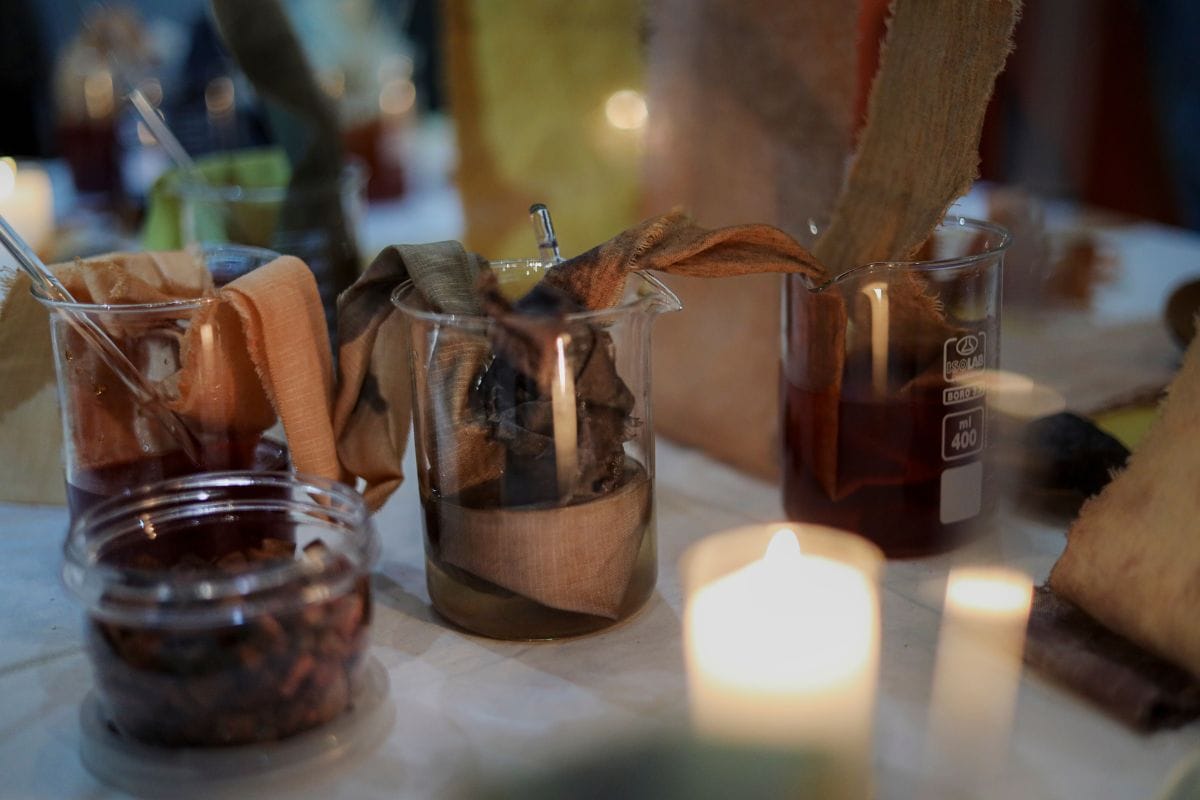
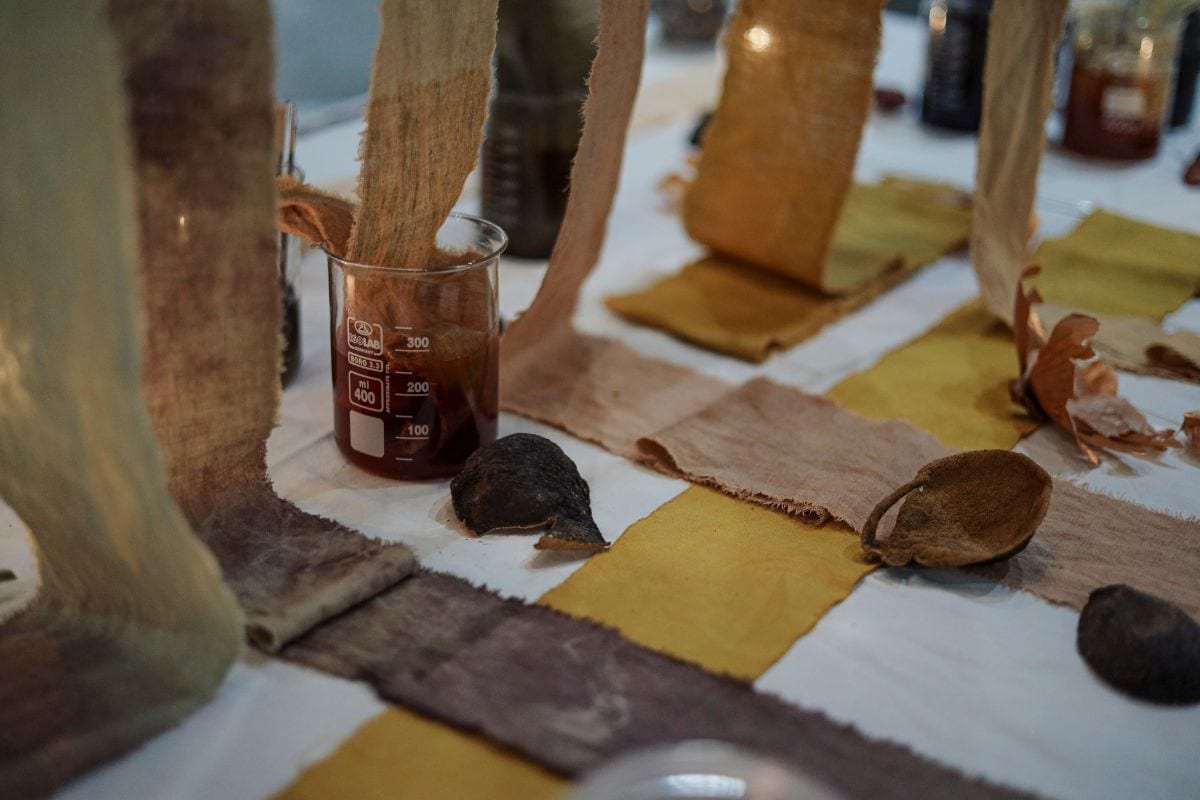
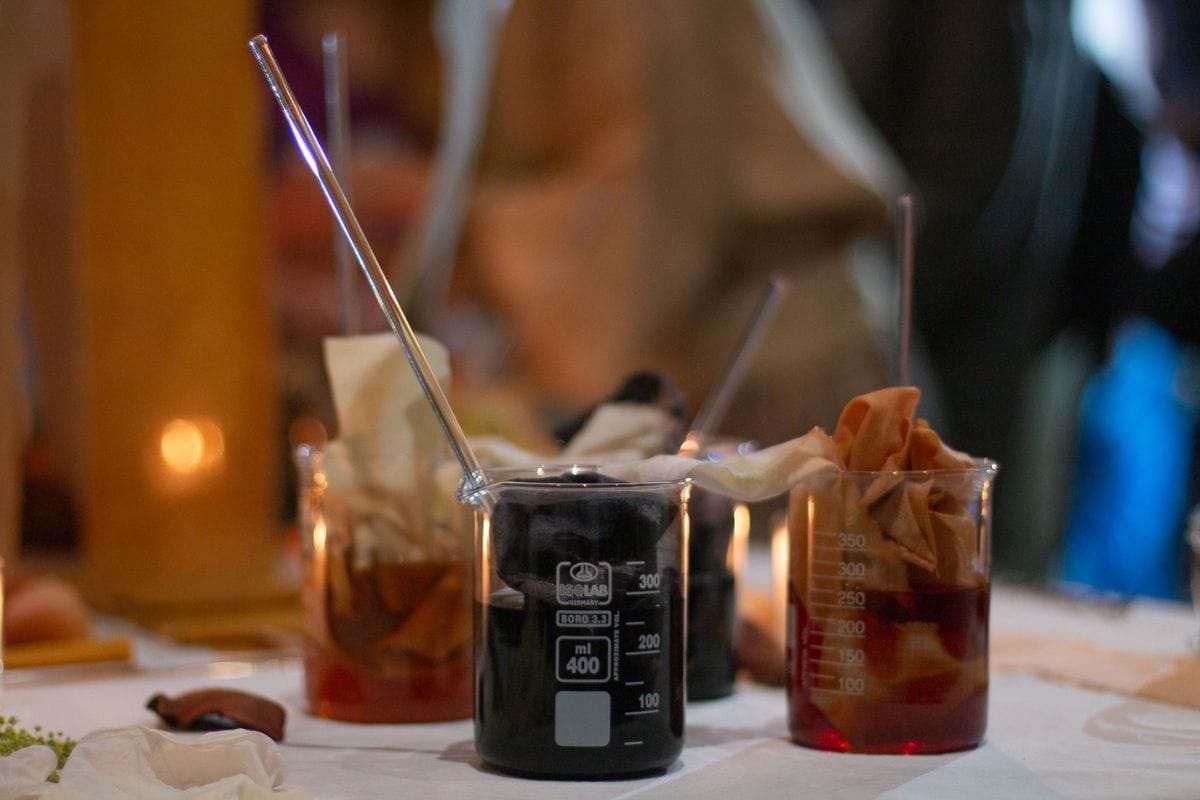
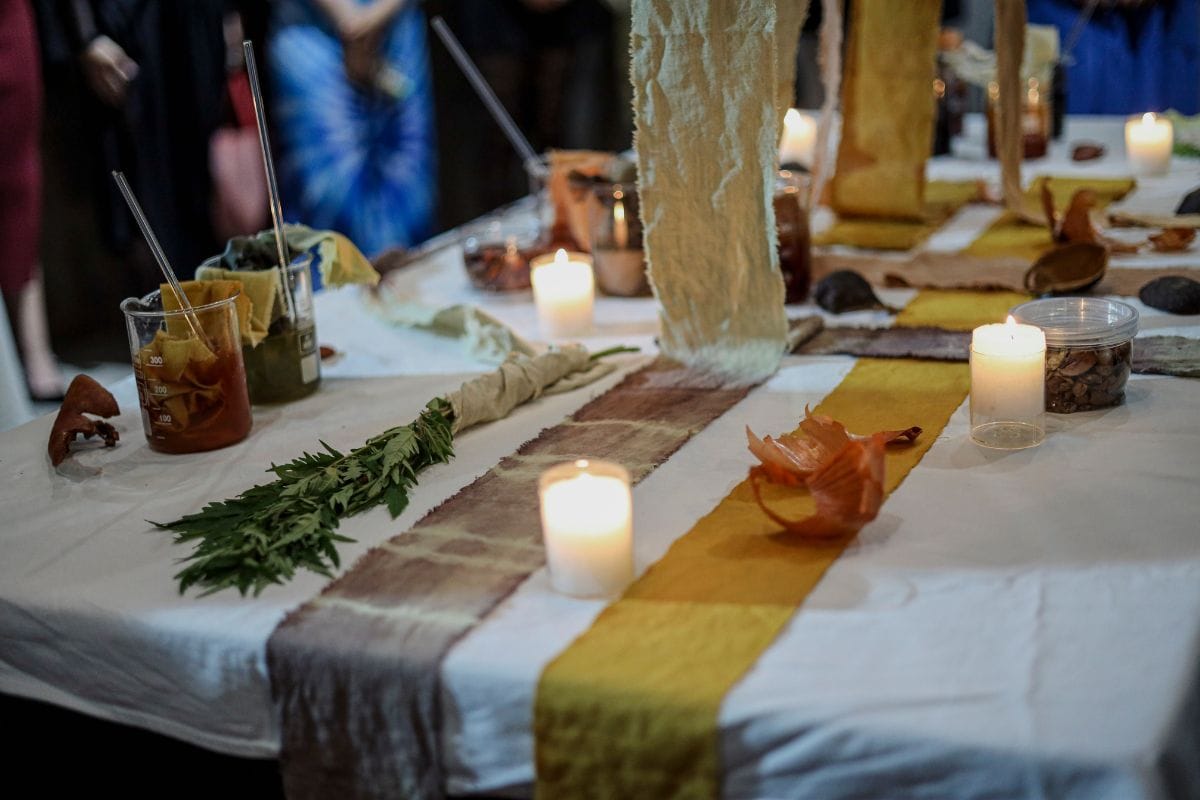
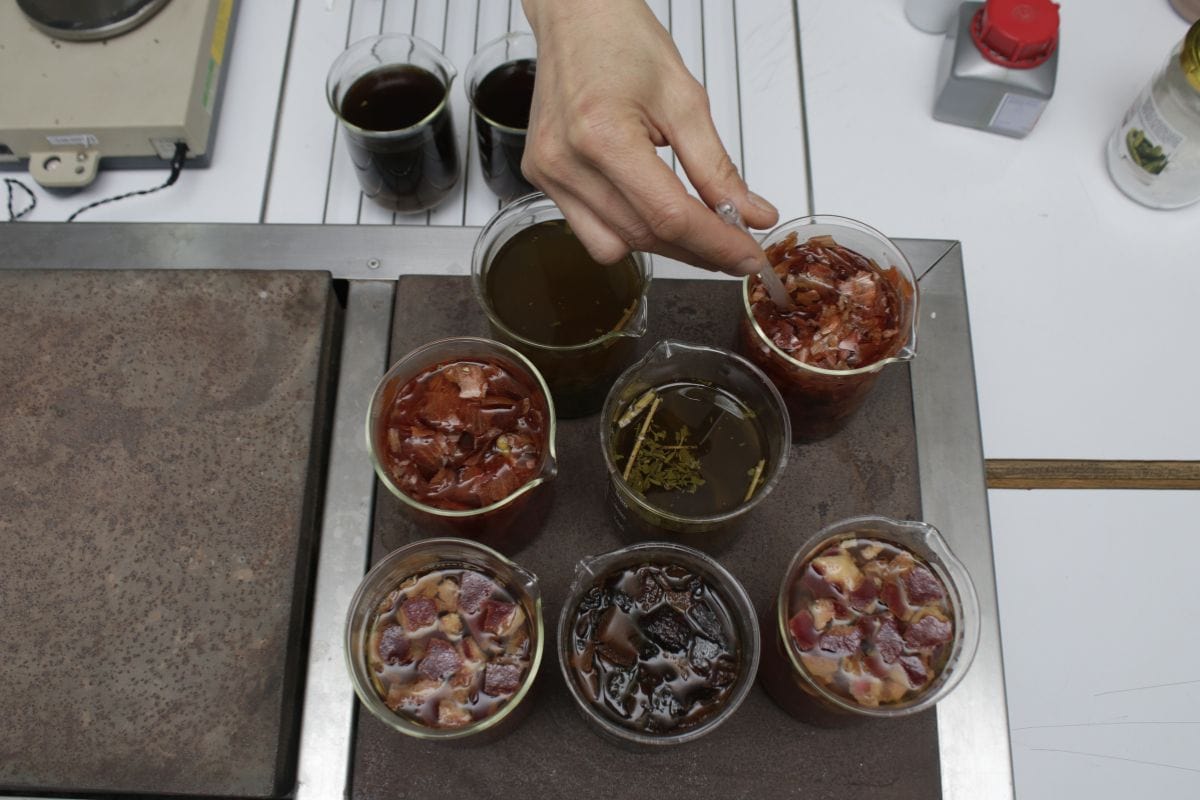
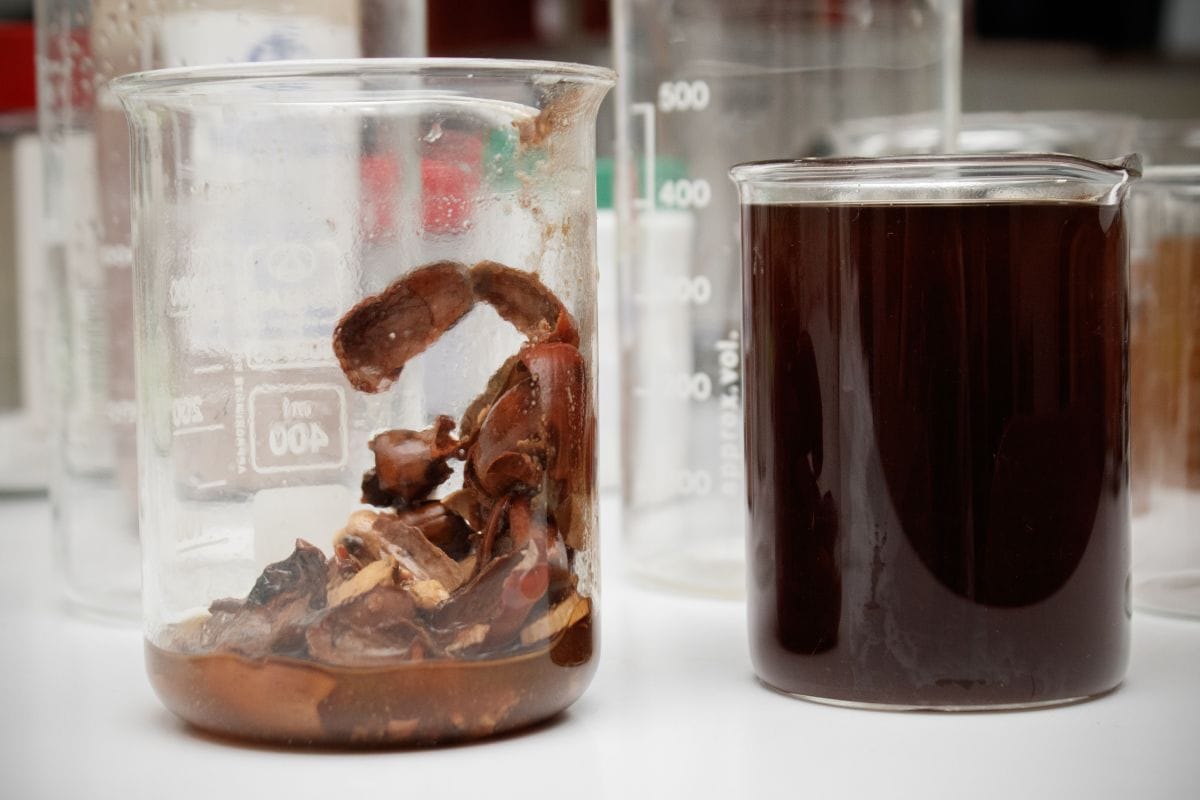
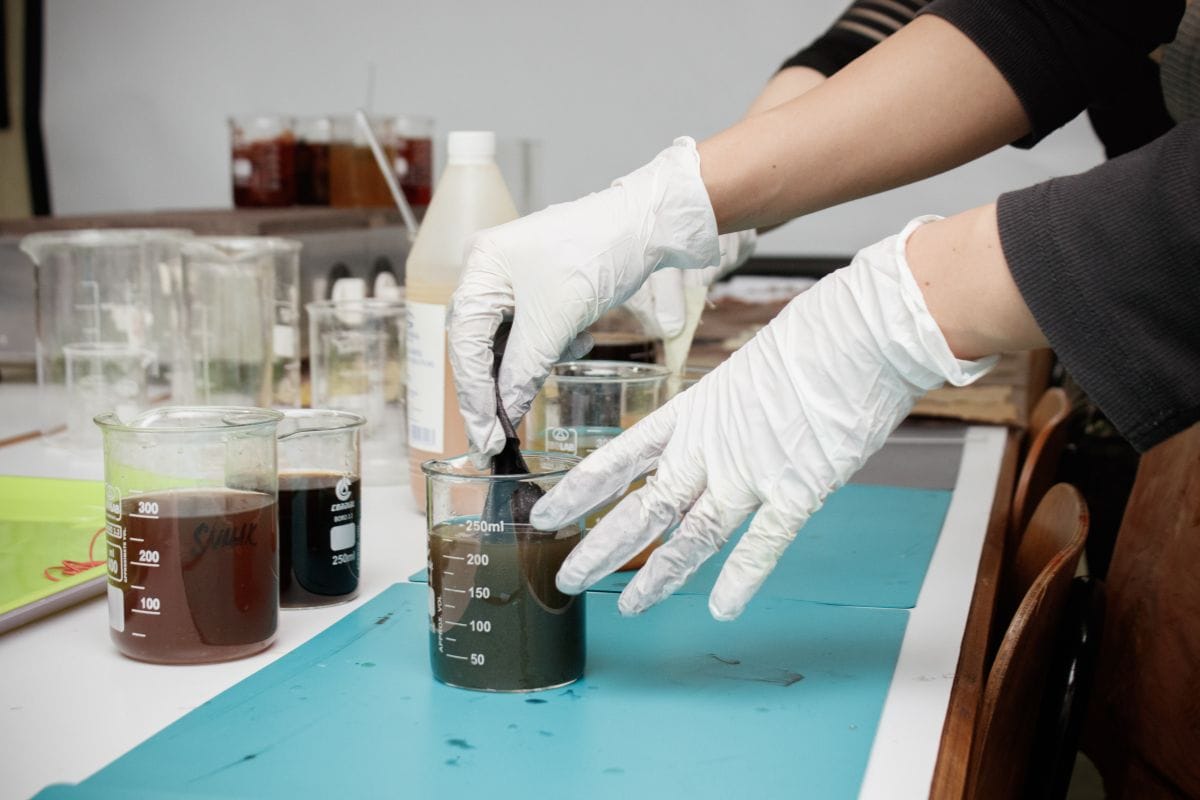
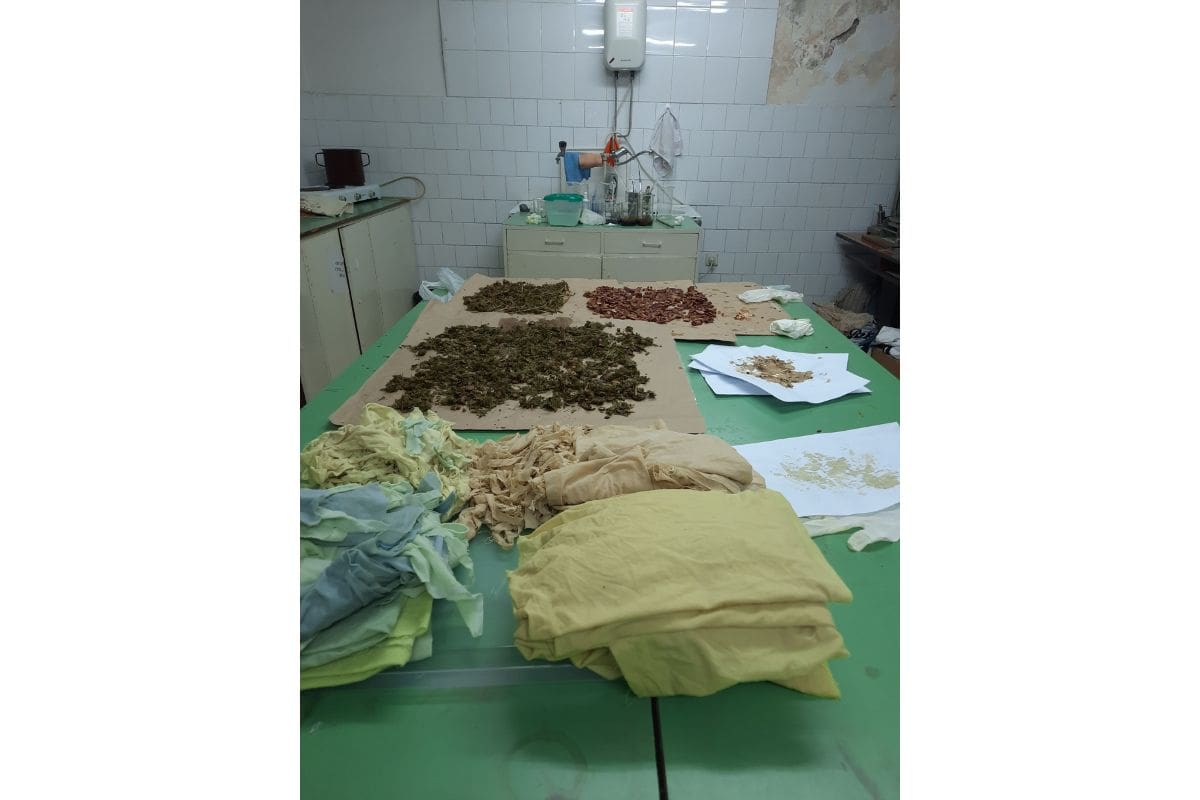
Photos by Aljoša Ninković and Biljana Karovska
This project created a space of exchange, experience, and reinterpretation.
If I were to describe it in one sentence, it would be – Creating new values!